The Art of Pink Flower Watercolor Painting
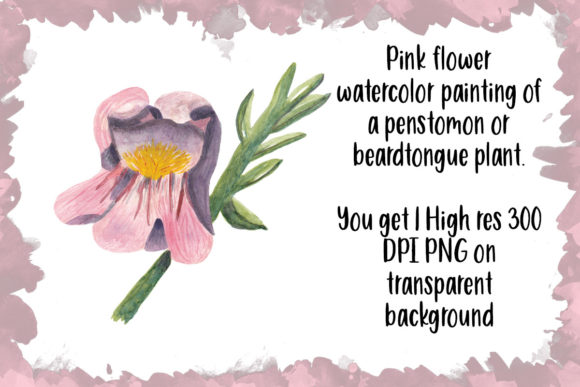
There’s a particular magic in a pink flower watercolor painting, especially one depicting an uncommon specimen like the penstemon beardtongue. The process of building the image through layers of watercolour glazing results in a graphic that feels organic, delicate, and deeply artistic. This isn’t just a flat digital image; it carries the texture and depth of a handcrafted piece. For creators across various fields, this single high-resolution PNG file on a transparent background becomes a versatile and powerful tool.
Why This Botanical Artwork Stands Out
What makes this specific pink flower watercolor painting so interesting is its source material and its execution. The penstemon is an unusual, pretty flower found in perennial gardens, known for its wide range of colors and distinct floral shape. This variety translates beautifully into art. The painterly technique of multiple glazes—where thin, transparent layers of color are applied one over another—creates a luminous quality. The subtle variations in hue and the soft blending of tones mimic how light plays on real petals, offering a realism that is gentle rather than harsh.
This approach yields a graphic that is inherently sophisticated. The transparent background means the artwork exists independently, ready to be placed into any context without the jarring edges of a standard photograph. It’s a bridge between traditional botanical illustration and modern digital asset, perfect for those who need elegance without fuss.
A Toolkit for Modern Creators
Possessing such a file opens a door to numerous applications. The immediate uses in paper crafts, scrapbooking, and card making are clear. It can become the central motif on a handmade greeting card, a delicate accent in a scrapbook layout documenting a garden or a special occasion, or a beautiful element in framed paper art. But its utility extends far beyond the physical.
Adapting the Art for Digital and Commercial Use
Designers, marketers, and entrepreneurs can leverage this pink flower watercolor painting to add a touch of organic warmth to digital spaces. Consider using it as a recurring brand element for a business focused on wellness, natural products, or bespoke services. Its soft aesthetic can enhance website banners, social media graphics, email newsletter headers, or even digital presentation slides.
Bloggers and publishers might incorporate it into article layouts to visually break up text and establish a calming, inspiring tone. Educators could use it in creating visually engaging worksheets or online course materials for topics related to botany, art, or even creative writing. The key is to align the artwork’s inherent mood—serene, natural, handcrafted—with the message you are conveying.
- For Social Media: Use it as a backdrop for quotes, overlay text for promotional posts, or create a cohesive series of visuals for a spring or garden-themed campaign.
- For Product Design: Apply the graphic onto mockups for items like journals, phone cases, or apparel, testing how a botanical theme resonates with your audience.
- For Personal Branding: Freelancers, especially in creative fields, can adapt this watercolor painting into a logo mark or a signature visual for their portfolio website.
Maintaining Clarity and Cohesion
When integrating any graphic, consistency is vital. If you decide to use this pink flower watercolor painting across multiple materials, establish simple rules. Determine a consistent color palette that complements the artwork’s existing tones. Decide on its size and placement relative to text or other elements. This prevents the design from feeling chaotic and ensures your audience recognizes a unified visual language.
Remember, the high-resolution, 300 DPI quality means you can scale the image for large formats without losing detail, but you can also shrink it for small icons without clutter. Always start by using the graphic in its pure form to appreciate its detail, then explore subtle modifications like adjusting saturation or adding a very faint texture behind it if your project requires a specific adaptation.
Project Ideas to Spark Your Process
Moving from idea to execution often requires a concrete starting point. Here are some project ideas that use this floral craft file as a core component.
- A Cohesive Stationery Set: Design a matching letterhead, envelope liner, and thank-you card using the watercolor painting. For digital correspondence, create an email signature that incorporates a small version of the graphic.
- Custom Wall Art Printables: Combine the penstemon image with a meaningful quote or a simple border. Offer it as a free download on your blog or use it to create physical prints for sale or for gifting.
- Seasonal Marketing Kit: Build a suite of graphics for a spring sale or promotion. Use the flower as the anchor, creating variations where it is paired with different text or product photos.
- Educational Botany Sheet: For teachers or content creators, place the watercolor painting alongside facts about the penstemon plant, its habitat, and growing conditions. The artwork makes the information visually appealing.
- Packaging Accent: Small businesses can use a simplified version of the graphic as a repeating pattern or a single illustration on product packaging for items like candles, teas, or skincare, emphasizing a natural ingredient story.
Beyond the Single Use: Cultivating Originality
While the provided file is complete, it can also serve as inspiration for your own original work. Study the layers and color transitions. Notice how the glazing technique builds depth. This can inform your own attempts at digital painting or even traditional watercolor projects. For truly unique creations, consider using this graphic as part of a larger composition. Combine it with other natural elements, like watercolor leaves or insects, to build a full botanical scene. The goal is not to copy, but to let the quality and style of this pink flower watercolor painting guide your aesthetic decisions and elevate your final product.
Balancing Inspiration with Practical Output
The journey from acquiring a beautiful asset to producing effective work requires a balance. Let the artwork inspire the mood and direction of your project, but ground your process in practical steps. Start by defining the objective: is it to decorate, to inform, to sell, or to evoke an emotion? Then, select the appropriate format and platform. A delicate watercolor might be perfect for a wedding blog but need a stronger contrast if used in a busy Instagram feed.
Finally, always keep your end audience in mind. A graphic loved by hobbyists for its craft potential might be valued by marketers for its tonal versatility. By understanding both the asset's beauty and its functional applications, you turn a simple floral craft file into a reliable component of your creative toolkit. This pink flower watercolor painting of a penstemon is more than a picture; it’s a starting point for authentic, handpainted elegance in your next creation.