Mastering Botanical Design: The Practical Power of a Watercolor Cotton Branch Sublimation PNG
In the world of digital design and physical product creation, assets are not merely decorative elements; they are foundational components of a process. The Watercolor Cotton Branch PNG Sublimation file represents a specific type of resource—a hand-painted, high-resolution botanical clip art—that serves as a versatile input for a wide array of outputs. Understanding where it fits within your workflow, from initial concept to final product, is key to leveraging its full potential efficiently and creatively.
Defining the Asset: A Process-Oriented View
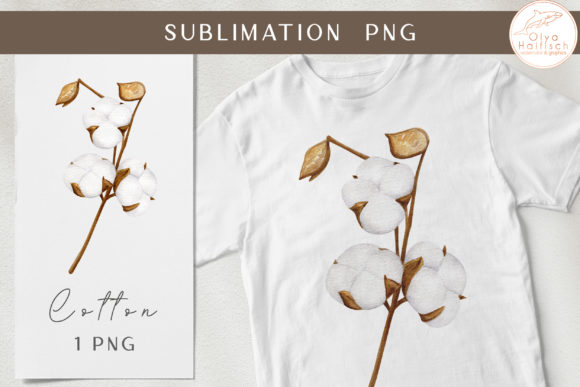
The Watercolor Cotton Branch Sublimation PNG is more than a picture of a flower. It is a digitally optimized art file, born from a traditional process: an artist’s hand painting on paper, followed by high-resolution scanning and conversion. The resulting PNG format, with its transparent background, is engineered for integration. This is crucial. The "sublimation" reference directly indicates one primary application—the process of transferring the design onto substrates like polyester fabrics or coated mugs using heat and pressure—but it also signifies a broader readiness. The file is prepared to be layered, combined, and manipulated within other digital environments without the hindrance of a baked-in background.
The specifications, such as the size of 12 inches on the longest side and a resolution of 300 DPI, are not arbitrary numbers. They are compatibility parameters. These ensure the asset meets the quality thresholds for both digital display and physical printing, preventing the common workflow breakdown of discovering an asset is too low-resolution for a intended print size midway through a project.
Integration into the Creative and Commercial Workflow
The true value of this botanical clip art is realized when you map its entry points into your existing systems. For a graphic designer or a small business owner creating branded merchandise, this PNG file acts as a raw material. It enters the workflow early, during the design phase. Before committing to a purchase of blank t-shirts or ordering packaging prototypes, you integrate this asset into your mockups using software like Adobe Photoshop, Illustrator, Canva, or specialized sublimation design programs.
Preparation and Compatibility Checks
A smooth integration starts with preparation. Verify that your design software supports PNG files with alpha channels (transparency). Most do. Organize your digital asset library; placing this downloaded ZIP file in a dedicated "Botanical Elements" or "Sublimation Assets" folder saves time during future projects. Check the color space—RGB—which is optimal for digital screens and the sublimation process, but note that colors may vary between your monitor and the final printed product. This is a known variable in the workflow; a practical tip is to run small test prints or sublimations when possible to calibrate your expectations.
From Asset to Application: Workflow Examples
Consider a freelance blogger and merchandise creator aiming to launch a line of spring-themed products. Their process might begin with content planning (the blog posts) and extend to product creation (the merchandise). The Watercolor Cotton Branch PNG can serve both ends.
- Phase 1: Digital Content Creation. They open their blog post template or social media design tool. The PNG, with its transparent background, is dragged onto the canvas. It can be resized, recolored using software filters if needed, and positioned alongside text to create header images, featured graphics, or downloadable blog art. This use occurs before any physical production, serving as marketing and concept testing.
- Phase 2: Physical Product Development. Using sublimation design software, they now create the actual print files. They might combine the cotton branch PNG with other text or geometric elements. The 300 DPI resolution ensures no pixelation when the design is sized for a 12-inch mug or a t-shirt transfer. The file is then sent to the sublimation printer or print service. Here, the asset interacts directly with hardware and heat presses.
For a hobbyist engaged in scrapbooking or decoupage, the workflow is more tactile but still digital-first. They download and print the file on suitable paper at home, ensuring their printer settings match the high-quality output. The hand-painted aesthetic of the asset brings a consistent, professional watercolor texture to their physical project, interacting seamlessly with other papers, adhesives, and manual crafting tools.
Consistency and Branding Applications
For entrepreneurs and marketers, such an asset can be a pillar for visual consistency across multiple platforms and products. Imagine using the same Watercolor Cotton Branch Sublimation PNG for your website’s iconography, your product packaging design (wrapping paper, labels), and your office decor (posters, wall art). This repetition, sourced from a single high-quality file, builds a cohesive brand identity without the workflow hassle of sourcing mismatched assets from disparate sources.
Practical Implementation Tips for Long-Term Use
To integrate this resource smoothly into your long-term work, treat it as a core component of your toolkit.
- File Management: Upon downloading the ZIP, extract the PNG and save it alongside any design notes. You might create a simple text file documenting successful color adjustments you made for sublimation on dark fabrics versus light ones, turning the asset into a documented, reusable resource.
- Quality Control: Before finalizing any project, especially for print, zoom in to 100% in your design software to inspect the edges of the branch. The transparent background should be clean, with no residual white pixels, ensuring a professional layering effect.
- Adaptation: While the file is perfect for sublimation, do not limit it. Test it in other processes. For example, use it to create a screen print template, or import it into a digital cutting machine software for creating sticker decals. Understanding its interactions with different methods expands your options.
The hand-drawn nature of the art means it carries an organic, non-uniform edge. This is a benefit for many applications seeking a natural feel, but in workflows requiring razor-sharp vector precision, it’s a characteristic to acknowledge. It fits perfectly into workflows valuing artistic texture.
Conclusion: A Resource for Executed Outcomes
The Watercolor Cotton Branch PNG Sublimation is not a passive decorative piece. It is an active, high-quality input designed to flow through digital and physical creation processes. By understanding its specifications—the transparent background, the hand-painted origin, the 300 DPI resolution—and thoughtfully integrating it into your planning, design, and production stages, you turn a single downloadable file into a multitude of finished projects. Whether your workflow is geared toward commercial product launches, personal artistic expression, or enhancing your digital content, this botanical clip art provides a reliable, versatile foundation from which your unique and awesome designs can grow.